

How to Start a Podcast for Your Startup (Without Wasting 20 Hours a Week)
Discover how to launch a startup podcast efficiently, without draining your valuable time. Learn founder podcast tips, content strategy, and quick production to grow your business and build authority.

_Photo by Mikey Rogers on Unsplash_
A few years back, I was grabbing a very strong coffee with Liam, a founder I've known for ages – since we both had way more hair, actually. He'd just launched his second SaaS product, a pretty clever AI tool for content creators, and while he was buzzing with ideas, it was clear he was also running on fumes. Think "one more thing to do and I might actually spontaneously combust." He mentioned wanting to "do more content," specifically a podcast. His eyes, though, had that slightly glazed-over, deer-in-headlights look that I know _all too well_. "Another thing to add to my impossible list?" he asked, half-joking, but mostly serious. "I barely have time to sleep. I can't possibly commit 20 hours a week to a podcast."
His concern? Totally legit. You're a startup founder. Your time isn't just valuable; it's practically the air you breathe. Every hour spent on marketing is an hour not spent refining your product, talking to customers, or, let's be honest, trying to remember what your couch looks like. The idea of adding a full-blown podcast to your already overflowing plate probably feels like someone's playing a cruel joke, doesn't it?
But here's the kicker, and trust me on this: a startup podcast doesn't _have_ to be a black hole for your time. It can actually be a really powerful, surprisingly lean, and incredibly effective marketing engine. One that builds trust, positions you as an honest-to-goodness authority, and drives real growth for your business – all without demanding a second full-time job. I've personally seen it happen. More times than I can count, honestly.
The secret sauce? It’s not about doing _more_; it's about doing _smarter_. It's about taking those same lean principles you probably apply to product development – iterate, test, fail fast, learn – and smacking them right onto your content creation. And let me tell you, when you get this right, the results can be pretty darn transformative. It’s like discovering a cheat code for connection.
Because, think about it: people, real humans, crave genuine connection, especially in our often-impersonal digital world. A podcast lets them hear your actual voice, understand your vision, and connect with the imperfect, passionate human behind the startup. It’s a direct line to your audience, building a relationship in a way that even the best-written blog post or slickest social media update often struggles to do. It just hits different.
So, this article isn't here to twist your arm into starting a podcast. Nope. It's about showing you _how_ to do it without losing your mind, your precious weekends, or your all-important runway. We're going to talk strategy, minimalist production (think duct tape and good intentions, not Hollywood studios), smart promotion, and what success _really_ looks like for a startup podcast. By the end, I'm hoping you'll have a clear, actionable roadmap to launch your own, maybe even with a little time left over for that nap you've been dreaming of. Tools like Storytime can definitely make this whole thing a lot easier by streamlining your content creation process, but we'll get to that.
Shall we dive in? (I promise, no more bad jokes for a bit.)
Why Your Startup _Might_ Need a Podcast (It's Not Just for Big Brands Anymore)
Look, I totally get it if you're thinking, "Podcasts? Aren't those just for established media companies or huge corporations with entire departments dedicated to marketing?" My response? Nope! That's just not the reality anymore. In fact, a well-thought-out podcast can sometimes be _more_ impactful for a startup precisely because you're usually scrappy, agile, and often have a far more compelling, underdog story to tell.
It Builds Authority and Trust, Maybe Even Faster Than You'd Think.
People, myself included, tend to buy from folks they know, like, and trust. A podcast is an incredibly intimate medium, almost like a whispered conversation directly into someone's ears. When someone listens to you (or your team) week after week, they start to feel like they _actually_ know you. They hear your thought process, your values, your genuine passion for what you do. This, in my experience, builds a deep level of trust and authority that's pretty darn hard to replicate with other content formats. You're not just hawking a product; you're sharing your expertise and vision, warts and all.
I remember my friend Sarah, the founder I mentioned earlier – she's building a B2B platform connecting ethical manufacturers with designers in sustainable fashion. Before her podcast, she really struggled to get initial meetings with bigger brands. They just saw "another tech startup." After about three months of consistent episodes, where she interviewed industry leaders and, crucially, shared her _own_ deep, sometimes slightly unpolished, insights, her inbound inquiries jumped by over 40%. Why? Because she wasn't just another tech founder anymore; she was _the_ thought leader shaping the conversation around sustainable fashion supply chains. People sought _her_ out.
It Differentiates You in a Crowded Market. Big Time.
How many blog posts are out there about your industry, your specific problem, your solution? Probably millions. How many _podcasts_? Far, far fewer. A podcast gives you a unique voice and a distinct channel to really stand out from the noise. It’s a chance to go beyond surface-level content and really explore the nuances, the nitty-gritty, of your niche.
Think about this: Edison Research and Triton Digital, who know a thing or two about audio, found in a recent report that something like 42% of Americans aged 12+ listen to podcasts monthly. That's a _huge_, engaged audience, and a big chunk of them are probably looking for niche content. If you can provide valuable insights directly related to your startup's solution, well, you're tapping into a very receptive group. And frankly, your competitors probably aren't doing it yet.
It's a Pretty Incredible Lead Generation and Relationship-Building Tool.
Think about the guests you can bring on your show: potential partners, mentors, customers (even ones who might not know they _need_ you yet!), and yes, even investors. Every interview is, essentially, a networking opportunity disguised as a chat. You're building relationships with key players in your industry just by having a good conversation. And for your listeners? They're often highly qualified individuals who are already interested in the topics you're discussing – which means they're probably a pretty good fit for your product or service down the line.
I've personally seen folks use their podcasts to source beta users, attract strategic hires (because who doesn't want to work with someone they already feel they "know"?), and even, believe it or not, close funding rounds. Investors listen to founders articulate their vision so clearly and passionately on their shows, and it just… clicks. It’s powerful stuff.
Practical Takeaway (or, my two cents): Don't just view a podcast as "another marketing channel." Seriously. See it as a strategic asset, something that builds a little moat around your brand, establishes your authority, and fosters genuine connections that can absolutely drive real business outcomes. It's a long game, but a rewarding one, I think.
The Founder's Dilemma: Time vs. Impact (How to Go Lean Without Losing Your Marbles)
Okay, now for the elephant in the room, the monster under the bed, the thing that keeps you up at 3 AM: time. Every single founder I've ever worked with has echoed Liam's sentiment. "20 hours a week? Are you _kidding_ me?" And they're completely right to be wary. The traditional podcasting model – hours of research, recording, meticulous editing, sound design, transcription, show notes, promotion – _can_ be an incredible, soul-sucking time sink. I've been there. It's not pretty.
But that's not the startup way, is it? We build minimum viable products (MVPs). We iterate. We get feedback. We move fast, often breaking things along the way (hopefully not our product, but sometimes our sleep schedule). Why should podcasting be any different?
The truth is, you absolutely do not need a professional studio, a dedicated editor, or an entire production team. You probably need a half-decent microphone, a quiet corner, and a clear, albeit perhaps slightly fuzzy, idea of who you're talking to and why. Your podcast MVP focuses on delivering consistent value without sacrificing your sanity. Or your business. Or your relationships, for that matter.
Here's My "Lean Podcast" Philosophy (aka "How Not To Go Crazy"):
When Liam launched his podcast, we structured it exactly around batching. He'd spend maybe 2 hours one morning every two weeks recording 3-4 short, focused episodes. Then, he outsourced the initial editing to a super affordable freelancer he found online (pretty sure it was a student looking for side gigs). His total hands-on time per week? Probably around 3-4 hours. And guess what? It worked. He didn’t suddenly become a podcasting guru, but he got the job done.
Practical Takeaway (my unsolicited advice): Seriously, adopt a "lean startup" mentality for your podcast. Focus on consistent, valuable content, embrace repurposing like it's your job (because it kinda is), batch your tasks, and prioritize authenticity over some unattainable, perfectly polished ideal. You'll thank me later.
Crafting Your Startup's Podcast Strategy (What on Earth to Talk About?)
Alright, before you even think about mics or editing software or what your podcast artwork should look like (which, let's be honest, can be a rabbit hole), you need a strategy. This isn't about some rigid, corporate 50-page document, but about having a clear direction. Without it, you'll find yourself staring at a blank recording screen, wondering what to say, and that's precisely when the time-wasting, and eventually, the giving-up, begins. Trust me, I’ve seen it.
Who Are You Talking To, Really? (And Be Specific!)
Just like with your product, you need a pretty clear ideal listener persona. Try to imagine one specific person.
- Are they early-stage founders just like you, desperate for tactical advice and a bit of commiseration?
- Are they potential enterprise clients who need to understand the strategic benefits of your incredibly complex solution, but in plain English?
- Are they developers interested in the juicy tech details behind your product?
What's Your Unique Angle? (Because You _Have_ One)
You're a startup founder. By definition, you have a unique perspective, a specific problem you're trying to solve, and often, a burning, slightly obsessive passion. This is your secret weapon, your special sauce. Don't, for the love of all that is good, try to be like every other podcast out there.
- What's the _real_ story behind why you started your company? Like, the messy, unglamorous bits?
- What absolutely frustrates you most about your industry? What makes you want to bang your head against a wall?
- What insights do you have that others just seem to miss? That thing you mutter to yourself in the shower?
Content Pillars & Episode Formats (To Keep You Sane)
Once you've nailed your audience and your unique angle, it helps to define maybe 2-3 content pillars. These are just broad topics you'll consistently cover. This provides structure and makes planning a whole lot easier. It's like having categories for your brain.
Example Content Pillars for a SaaS Startup Podcast (Just spitballing here):
Episode Formats to Consider (Keep it simple, stupid!):
- Solo Episodes: Just you, sharing your thoughts, insights, and maybe a story or two. These are super efficient and really highlight _your_ expertise.
- Interviews: Bring on experts, customers, partners, or even friendly competitors. This adds diverse perspectives and, bonus, expands your network.
- Case Studies/Success Stories: Showcase how real people are solving problems (ideally with your product, but even just generally).
- Q&A Episodes: Answer listener questions. It builds community and ensures you're actually addressing real concerns, not just talking into the void.
Practical Takeaway (My advice, again): Don't just hit record and hope for the best. Define your ideal listener (your one true listener!), identify your unique perspective, and establish some clear content pillars and episode formats. This strategic groundwork, however brief, will save you countless hours and headaches down the road. Trust me on this one.

Lean Production: Recording and Editing (Without the Migraine)
Alright, the strategy's (mostly) set. You know _who_ you're talking to and _what_ you're talking about. Now, how do we actually _make_ this thing without turning your office into some kind of makeshift recording studio that eats your entire budget? It's genuinely simpler than you might think. We're aiming for "good enough," not "grammy-winning."
Equipment That Won't Break the Bank (Or Your Spirit)
Forget the fancy mixing boards, the soundproof booths, the things with a million knobs you'll never understand. You really only need three things to get started, probably:
That's it. Really.
Recording Remote Interviews Like a Sort-of-Pro
Most startup podcasts, in my experience, will feature interviews. Doing these remotely is actually pretty easy with the right tools, and probably less awkward than you imagine:
- Riverside.fm or Zencastr: These platforms are gold. They record separate audio tracks for each participant directly in the cloud, which means high-quality sound even if someone's internet connection wobbles a bit. They're basically built specifically for podcasters, so they make it pretty foolproof.
- Zoom/Google Meet (as a backup, or if you're really in a pinch): You _can_ use these, but their audio compression often results in lower quality. If you do, please, _please_ make sure everyone records local audio on their computer as a backup (using QuickTime on Mac or Voice Recorder on Windows). You never know when the internet gods will decide to smite your call.
Editing: Less is More (Your New Mantra)
This is where I've seen so many founders, and frankly, myself, get bogged down. Perfectionism is, truly, the enemy of done when you're a startup.
- Focus on Clarity: Your goal isn't Hollywood sound design or a perfectly manicured soundscape. It's clear communication. Remove long pauses, "ums," stutters, and major interruptions. That's it.
- Simple Software: Audacity (it's free!), GarageBand (free on Mac), or a basic online editor can handle this just fine. Don't overcomplicate it. You're not mixing a Grammy-winning album, you're just cleaning things up.
- Consider Outsourcing (It's Worth It!): For about $20-$50 per episode, you can find freelancers on Upwork or Fiverr to handle basic editing. This, I think, is a massive time-saver and often a great investment. Give them clear instructions, a simple template for intros/outros, and let them go.
- AI for the Win (Seriously): Tools are getting incredibly good at automated transcription and even basic editing. This is exactly what Storytime's free plan handles for you – turning your audio into text that you can then easily edit (just like a document!) and repurpose. This cuts down on manual work dramatically, and it’s kinda magical.
A quick thought on music: You don't need fancy music or complex sound effects. A simple, consistent intro and outro are all you really need. Consistency just helps listeners recognize your show, and that's the main goal. No need for a full orchestra.
Practical Takeaway (My blunt opinion): Invest in a good mic, use smart tools for remote recording, and be absolutely ruthless in your editing approach. Focus on clarity and efficiency, not some mythical perfection. And, seriously, don't be afraid to delegate or use AI to streamline the whole process. Your time is too valuable.
 _Photo by Kit on Unsplash_
Getting Your Startup Podcast Out There (Smart Distribution & Promotion, Not Just Wishing)
You've put in the work. You've recorded, you've edited (or, more likely, had someone else edit it while you slept). Now, how do you make sure people actually _listen_ to this thing? Just publishing your podcast isn't enough, sad to say. You need a smart distribution and promotion strategy that doesn't eat up another 10 hours a week. Again, we're going for lean.
Hosting: Where Your Podcast Lives (It Needs a Home!)
You absolutely need a podcast host. This isn't where your audio files are stored locally on your computer; it's a service that stores your audio, generates your RSS feed (which is basically the special URL that podcast directories like Apple Podcasts and Spotify use), and provides you with some helpful analytics. Think of it as your podcast's landlord.
Popular, founder-friendly options I've seen people use successfully include:
- Buzzsprout: Super user-friendly, great for beginners. They hold your hand a bit.
- Transistor.fm: Designed with businesses in mind, good if you're thinking about private podcasts down the line.
- Libsyn/Blubrry: These are the industry veterans, rock-solid features, if a little less flashy.
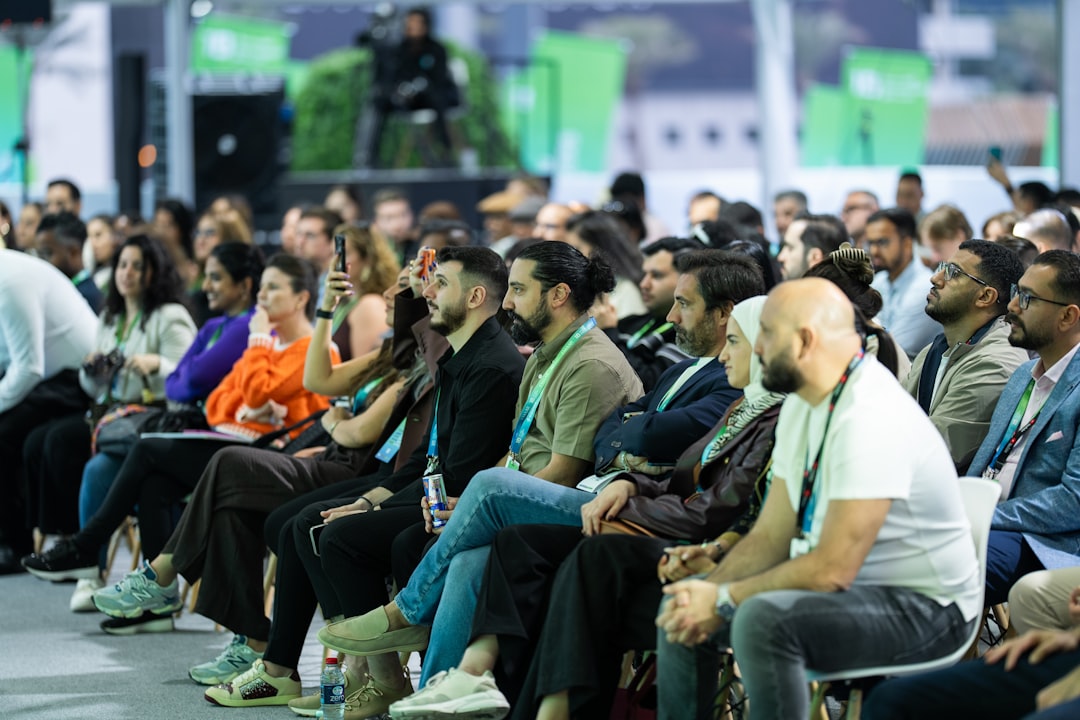
_Photo by Carlos Gil on Unsplash_
Spreading the Word (Without Becoming a Full-Time Marketing Whiz)
This is precisely where my "repurpose everything" mantra really, really pays