

TikTok for Personal Trainers: Short Videos That Drive Long-Term Clients
Personal trainers, ready to find new clients? Discover how TikTok can transform your business. Get actionable PT TikTok strategies, content ideas, and grow your fitness trainer presence with short-form video.

n*Photo by Vitaly Gariev on Unsplash*
Alright, picture this: I was chatting with Mark, a personal trainer I’ve known for, oh gosh, probably ten years now. The guy is seriously good at what he does – I mean, _really_ knowledgeable, a wizard with client motivation, and his client retention? Insane. But when I first dared to bring up TikTok a couple of years back, he nearly performed an involuntary backflip over his half-eaten protein bar.
“TikTok?” he sputtered, barely swallowing. “Are you kidding me? That’s where my niece does those ridiculously coordinated dances. My clients are busy professionals, mostly in their 40s and 50s. They’re not on TikTok. And honestly, I barely have time to respond to emails without feeling like I’m drowning, let alone try to learn a new dance routine. It just feels… wrong for my brand.”
Sound familiar, maybe a little too close to home? That hesitation, that immediate dismissal – it’s a pretty common reaction. A lot of personal trainers, just like my friend Mark, look at TikTok and see a massive time-suck, a fleeting fad, or something entirely irrelevant to their very serious business. They picture viral dances and teenage trends, not exactly a pipeline for serious, long-term clients. But here’s the kicker: Mark, bless his skeptical heart, was kinda wrong. And, to his immense credit, he eventually figured that out.
A few months later, after seeing some of his local competitors start to quietly pick up some new clients through these little short-form videos, Mark got a bit curious. He decided, somewhat reluctantly, to dip a toe in the water. He started super simple, which I always recommend: just quick videos explaining common exercise mistakes, gently debunking a few stubborn fitness myths, and sharing genuinely actionable tips. Absolutely no dancing required, thank goodness for everyone involved. Just pure, unadulterated value.
Fast forward a year – and this is where it gets good – Mark is now booked solid. Like, "turning away clients" solid. He’s actually had to bring on another trainer to help with the overflow. And guess where a pretty significant chunk of his shiny new leads are coming from? Yep, you guessed it: TikTok. He’s built this amazing, engaged community, and people are finding him not just for his undeniable expertise, but for his authentic, no-nonsense approach that really shines through those short videos. He's figured out the personal trainer tiktok puzzle.
This isn’t just some isolated Mark story, either. This kind of transformation is happening for personal trainers all over the place. TikTok, when you approach it with a clear PT TikTok strategy, isn't just about fleeting viral moments. It’s a seriously powerful client acquisition tool, a fantastic way to build a real community, and, in my opinion, one of the best platforms to establish yourself as _the_ go-to expert in your niche. And the absolute best part? You don't need a massive budget or a professional film crew. You just need your trusty phone, a few good ideas, and, well, a little consistency.
So, if you’re a personal trainer feeling that itch to grow your business, please, for the love of all things fitness, stop scrolling past TikTok. It’s time to really lean into it. Consider this article your friendly, no-BS guide to making those short videos that don't just get views, but actually drive long-term, loyal clients.
Why TikTok? More Than Just Dances (I promise, it's true!)
Let's be real for a second: TikTok isn't just for Gen Z anymore. That ship sailed a while ago. The platform has absolutely exploded, attracting a ridiculously diverse audience across pretty much all demographics. In fact, if you look at the numbers from 2023, TikTok reported over a billion active users worldwide, with a significant chunk of that growth coming from older age groups. That, my friends, is a truly massive pond where your ideal clients are probably already swimming, whether they admit it or not.
But it’s not just about the sheer number of eyeballs; it’s about _how people behave_ on the platform. Sure, folks go to TikTok for entertainment – who doesn't love a good cat video or a silly sketch? – but they also go for education, inspiration, and genuine connection. They're scrolling, often subconsciously, for solutions to their problems, and fitness is a universal problem, right? This makes it, I think, a total goldmine for personal trainers. Short-form video is just so digestible, engaging, and incredibly effective at building rapport surprisingly quickly. Think about it: a well-crafted 30-second video can convey more personality, more expertise, and more of _who you are_ than a paragraph of text ever could. It just hits differently.
So, what does this actually mean for you, the personal trainer trying to make sense of it all? It means TikTok offers a pretty direct line to potential clients who are actively seeking guidance, motivation, and practical fitness advice. You get to _show_ them who you are and what you do, all without that awkward, high-pressure sales pitch. It’s all about demonstrating value upfront, which, frankly, is how I prefer to do business anyway.
And look, I know what you're probably thinking: "But what about all the editing? The trending sounds? The perfect lighting? My brain hurts just thinking about it!" It can definitely _feel_ overwhelming. That’s a super common hurdle, believe me, but it's totally manageable. Honestly, tools like Storytime can really help simplify that whole content creation process, freeing you up to focus on what you're best at – sharing your expertise – instead of wrestling with complex software. I’ve found it a lifesaver myself when I’m trying to get things done without pulling my hair out.
My quick thought on this: TikTok's huge, engaged user base is out there, actively looking for fitness content. Your main job isn't to become a professional dancer (unless you want to, of course!); it's to educate, inspire, and connect. Start seeing it as a powerful, genuinely approachable marketing channel.
The Big Mindset Shift: From Selling Sessions to Sharing Value
Here’s the absolutely crucial pivot, the one thing I want you to take away from this whole article: for personal trainers on TikTok, it's _not_ about trying to sell a 12-week package in your very first video. Please, for the love of all things good, don’t do that. That’s a guaranteed way to get scrolled past faster than you can say "burpee." The real, lasting power of a strong personal trainer TikTok strategy lies in consistently providing immense value, often for free, upfront.
Think of it like this, and this analogy always helps me: you’re trying to build a relationship, right? Would you seriously propose marriage on a first date? Probably not, unless you’re in a rom-com. Similarly, you shouldn't expect someone to sign up for your most expensive program the moment they stumble upon your first TikTok video. The goal, especially early on, is to nurture, educate, and slowly but surely build trust.
I've honestly seen so many fitness trainers stumble right here. They jump onto TikTok, post a video of themselves flexing (which, don't get me wrong, is cool), then slap on a "DM me for coaching!" call to action. And then they sit there, scratching their heads, wondering why it doesn't work. It feels transactional, not relational. People scroll right by because, frankly, they don't know you, they don't trust you yet, and you haven't really given them a compelling reason to believe you can actually solve their problems.
On the flip side, I know a fantastic trainer named Jessica who specializes in helping busy moms regain their strength and confidence after childbirth. Her early PT TikTok strategy was incredibly simple: short, digestible videos showing safe core exercises, quick stretches for those perpetually tired shoulders, and realistic meal prep hacks for chaotic schedules. She didn't push sales. She just showed up, offered genuine help, and openly shared her authentic experience as a mom herself. She was messy, real, and relatable.
And guess what magic happened? Moms started commenting like crazy, sharing her videos with their friends, and asking a ton of questions. They saw her as an ally, a fellow human, not just another service provider. When she eventually, and organically, offered a specific program tailored to their needs, her DMs absolutely exploded. Why? Because she had spent months building that foundational trust and consistently demonstrating her expertise. She attracted clients who weren't just looking for _a_ trainer, but for _her_ specifically.
This, my friends, is the very essence of effective content marketing for us health and fitness professionals. It's about educating your audience first, truly helping them understand their problems, and _then_ offering them a solution to a problem you've already helped them identify and articulate. It’s less about the hard sell and much more about becoming an indispensable resource. If you're keen to dive a bit deeper into this whole "value-first" approach, you should definitely check out our guide on Content Marketing for Health Coaches: Attract Clients Who Actually Commit. I think much of that advice applies directly to personal trainers too.
My candid advice here: Seriously, shift your focus from immediate sales to consistent value delivery. Build trust and authority by educating your audience for free. The sales, I've found, really do follow naturally when you've established yourself as a genuine expert and a helpful, trustworthy resource.
_Photo by Nubelson Fernandes on Unsplash_

Crafting Your Personal Trainer TikTok Strategy
Alright, so hopefully, you’re convinced. TikTok, despite its sometimes-chaotic energy, has some serious potential. But how do you actually get started without just posting random workout clips? You really do need a coherent fitness trainer TikTok strategy, not just a bunch of one-off videos.
Know Your Niche, Find Your People
This, in my book, is ground zero for _any_ effective trainer short form video plan. Who exactly are you genuinely trying to help? And please, "everyone" is not a valid answer. The more specific you can get, the ridiculously easier it becomes to create content that genuinely resonates with the right folks.
Are you, for instance, the go-to trainer for:
- Busy professionals who are honestly struggling to fit fitness into their demanding, often crazy, schedules?
- Post-partum mothers looking to safely, and gently, regain strength and confidence without feeling overwhelmed?
- Athletes aiming for peak performance in a very specific sport, like marathon running or competitive lifting?
- Older adults who are keenly focused on maintaining mobility, improving balance, and just generally staying active and vibrant?
- Beginners who feel totally intimidated by the gym environment and desperately need a gentle, encouraging, non-judgmental guide?
I remember a client, David, who initially posted these super generic full-body workout videos. He got some views, sure, but his engagement was pretty low, and he was frustrated. When I nudged him to narrow his focus to "fitness for dads over 40," everything just _clicked_. He started talking about fitting workouts into chaotic family life, dealing with the dreaded "dad-bod" insecurities, and maintaining energy for his kids. His numbers absolutely soared because he was speaking directly to a very specific, very relatable pain point. He stopped trying to appeal to everyone and started connecting deeply with his specific audience. It was almost like magic.
I mean, common sense probably tells you that niche content tends to outperform general content in terms of engagement and conversion, simply because it speaks directly to specific, felt needs. So don't be afraid to get really, really specific. Embrace it.
My two cents: Define your ideal client. Who do you genuinely love working with? What specific problem do you solve for them that nobody else seems to get quite right? Let this be the guiding star for _all_ your content.
Content Pillars: What to Actually Post
Once you've nailed down _who_ you're talking to, it's time to figure out _what_ on earth to say to them. Your TikTok feed shouldn't just be a random assortment of whatever pops into your head that day. I've found it's super helpful to think in terms of content pillars – these are essentially recurring themes or categories that consistently showcase your expertise and, crucially, your value.
Here are some tried-and-true ideas for personal trainer TikTok content that I've seen work wonders:
- Form Corrections: "Stop doing your squats like this! Do _this_ instead." (Show those common mistakes, then demonstrate the correct, safer form).
- Myth Busting: "No, seriously, carbs will _not_ automatically make you fat!" (Gently, or not so gently, debunk those persistent fitness misconceptions).
- Quick Tips: "One simple stretch to relieve that nagging neck pain." "How to properly set up your bench press for both safety and maximum gains."
- "Explain Like I'm 5": Break down those seemingly complex fitness concepts into really easy-to-understand terms (think progressive overload, metabolic conditioning, etc.).
- _My example:_ A quick 45-second video where I demonstrate the subtle, but crucial, difference between a good and a bad plank, complete with clear visual cues and a concise voiceover. It sounds simple, but it gets huge engagement.
- A Day in the Life: Show a little snippet of your own morning routine, a quick clip from a client session (always with enthusiastic permission, of course!), or maybe your own workout. This really builds relatability – people like seeing the human behind the professional.
- Client Success Stories: Short testimonials or those satisfying quick before-and-afters (again, _always_ with explicit permission). Focus on the _journey_ and the amazing _feeling_ of achievement, not just the physical change.
- Your Own Fitness Journey: Share your own struggles (we all have them!), your wins, your favorite exercises, or even your least favorite ones. People connect with authenticity and vulnerability, not just perfection.
- _My example:_ A quick, fun montage set to a trending sound showing me prepping my less-than-gourmet meals, training a client (maybe blurring their face, focusing on their awesome form), and then doing my own ridiculously short, but effective, workout.
- Quick Pep Talks: Short, encouraging messages for those days when motivation is, shall we say, a bit low.
- Transformation Inspiration: Not just physical, but mental transformations. How fitness impacts confidence, energy levels, mood, and overall well-being.
- Addressing Excuses: "Feeling too tired to workout? Here's one tiny thing you can actually do."
- _My example:_ A video where I look directly at the camera, acknowledge a common internal struggle I know clients face (like "I just don't feel like it today"), and then offer a simple, empowering reframe or a tiny step to get started.
- This is actually where that "dancing" misconception often comes from, but it’s so much broader. TikTok absolutely thrives on trends: specific sounds, video formats, challenges.
- Adapt, don't imitate blindly. Can you cleverly use a trending sound to illustrate a fitness point? Can you participate in a popular challenge with a smart fitness twist?
- _My example:_ A popular "point to the text" trend could be used to point out common gym etiquette mistakes, or to quickly highlight the myriad benefits of working with a personal trainer. It’s about being relevant without selling out.
The main takeaway here, I think: Brainstorm at least 3-5 content pillars that are super relevant to your niche. Try to mix educational content with those engaging behind-the-scenes glimpses and some solid motivational messages. And don't be afraid to cleverly adapt trending content to fit your fitness niche – it’s a powerful way to get noticed.
_Photo by Olivie Zemanova on Unsplash_

The Power of the Hook: Stop the Scroll
Okay, so you've got some genuinely great content ideas cooking. Fantastic! Now, how do you make sure people actually, you know, _watch_ them? This is critical: the very first 1-3 seconds of your video are absolutely everything. If you don't grab attention immediately, users will scroll right past you faster than a sprinter on a track.
Think about your own scrolling habits: the average user probably spends only a few _milliseconds_ deciding if a video is even worth their time. A strong, compelling hook is, in my humble opinion, non-negotiable for personal trainer TikTok success.
Here are some examples of hooks I've seen work really, really well:
- A Provocative Question: "Are you making these 3 squat mistakes that are wrecking your knees?" "Why isn't your core actually getting stronger, no matter how many crunches you do?"
- A Bold Statement or Myth Busting: "This one exercise is secretly ruining your posture." "You absolutely do _not_ need to skip carbs to lose weight, and here’s why."
- A Relatable Problem: "Stuck at a desk all day with a stiff back? Try this simple move." "Can't quite touch your toes? Trust me, I've got you covered."
- An Intriguing Visual: Start with an eye-catching movement, a quick, curiosity-piquing text overlay, or perhaps a surprising before/after (if appropriate and consented).
- "Watch Me..." or a Quick Demonstration: "Watch me fix this client's deadlift form in less than 30 seconds."
Don't overthink it to the point of paralysis, but definitely don't underestimate its power either. Just make sure those first few seconds are genuinely compelling. If you're pretty new to content creation, getting this just right can feel a bit tricky, but it’s absolutely a skill you build over time, like anything else. Our guide on How to Start Creating Content: The No-BS Beginner's Guide has some fantastic tips on crafting those really engaging intros.
My honest tip: Seriously dedicate some conscious effort to your video's opening. Use compelling questions, bold statements, truly relatable problems, or intriguing visuals to hook viewers in those crucial first 1-3 seconds. It makes all the difference.
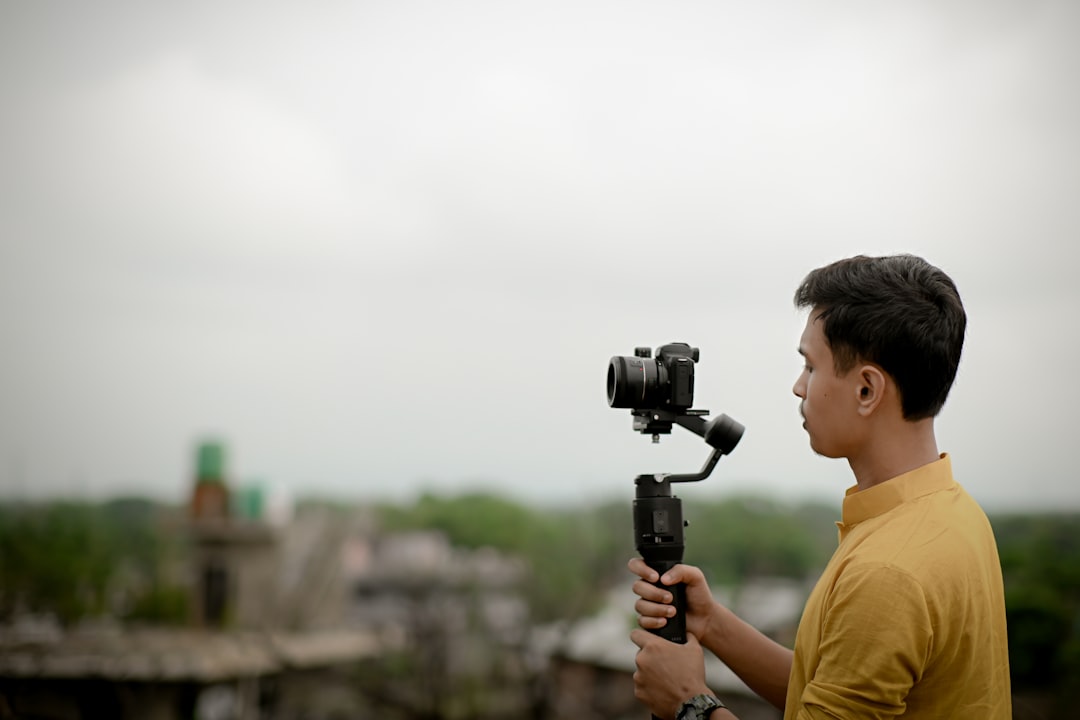 n*Photo by Shiv Narayan Das on Unsplash*
Call to Action (CTA): What Do You Want Them to Do?
Alright, so you’ve delivered some awesome value, you've shared your knowledge, and hopefully, you've entertained a bit. What now? Well, after you've provided that value, you absolutely need to tell people what to do next. A video without a clear Call to Action (CTA) is, honestly, a missed opportunity. But remember, we're not always, or even usually, going for the hard sell straight out of the gate.
Your CTA should always align with where the viewer is in their journey with you. For a brand new follower, "Book a session now!" is probably going to feel way too aggressive. For someone who’s watched, say, ten of your videos, consistently engaged with your comments, and maybe even sent you a DM, then yes, that direct ask might be totally appropriate.
Here are some CTAs that I’ve found work effectively for a fitness trainer TikTok presence:
- Engagement-Focused: "What's your biggest fitness struggle right now? Let me know in the comments below!" "Like this video if you learned something new – it helps me know what content you want!" "Tag a friend who really needs to hear this today."
- Community Building: "Follow for more daily fitness tips, I promise I'm usually this helpful." "Join my free Facebook group – the link is always in my bio!"
- Lead Generation (the soft approach): "Grab my free 7-day meal plan for busy parents – you'll find the link in my bio!" "Sign up for my weekly newsletter for exclusive workouts and tips (link in bio, as usual)."
- Direct (for those warmer leads): "Ready to truly transform your body and your habits? Book a free discovery call with me (link in bio, of course)." "DM me the word 'COACH' to learn more about my personalized 1:1 programs."
And speaking of pathways, ensuring your calls to action are not only trackable but also lead to the _right_ places is, in my experience, absolutely key. That's actually exactly what Storytime's free plan is designed to handle for you – it helps you manage your content and monitor its performance without, thankfully, breaking the bank. It's a pretty smart way to keep things organized.
What I try to remember: Every single video, in my opinion, needs _some_ kind of CTA. Vary them based on your current goal – whether it's simply engagement, audience growth, or actual lead generation. And always, always direct users to that "link in bio" for further action. It's your digital storefront.
Building Your PT TikTok Workflow: Consistency is King
The whole idea of constantly coming up with fresh ideas, then filming them, then editing them… yeah, it can feel incredibly daunting. I totally get it. I’ve definitely been there, staring at a blank screen, wondering what on earth I should post next, feeling that slight panic rise. That’s precisely why having a solid workflow is so incredibly important for your PT TikTok strategy. Consistency isn't about posting daily if that's going to burn you out; it's about posting _regularly_ whatever schedule you commit to, come hell or high water.
Here’s a pretty simple workflow that I've seen many successful personal trainers (and honestly, myself) use to keep things sane:
- Set aside maybe 30 minutes once a week or every two weeks. Seriously, block it out.
- Look at common questions your current clients ask you. Those are gold mines!
- Check what's genuinely trending on TikTok – can you put a clever fitness spin on it?
- Scan what your competitors are doing for inspiration (but definitely _not_ for outright copying!).
- Keep a running list of ideas on your phone, in a notebook, or wherever you won't lose it.
- _Self-deprecating aside:_ My best ideas usually hit me when I’m out walking my ridiculously energetic dog, usually at 6 AM, and I have to quickly type them into my phone before they vanish into the ether of my half-awake brain. It’s not pretty, but it works.
- Instead of trying to film one video every single day, which is a recipe for exhaustion, dedicate 1-2 hours once or twice a week to film, say, 5-10 videos.
- If you care about looking like it’s different days, wear a few different outfits or just throw on a different top. Honestly, most people won't notice or care that much.
- Set up your lighting and camera once. This is a _massive_ time-saver. You're in "creation mode," which is so much more efficient than constantly switching gears daily.
- Again, dedicate a specific block of time.
- For TikTok, basic editing (trimming, adding text overlays, choosing a good music track) is often more than enough. You absolutely do not need Hollywood production quality. Authenticity, in my